
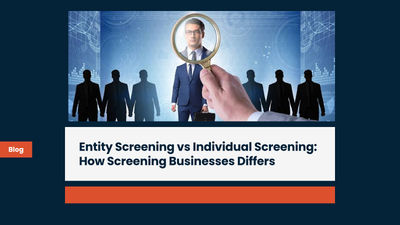
Screening a person is a name problem. Screening a company is a structure problem. Learn why entity screening must cascade to directors, shareholders, and UBOs, how the OFAC 50% rule works, and why company names are harder to match.
Sanction Scanner Blog
Discover insights from AML experts about the sector, financial crime and regulations
Read More
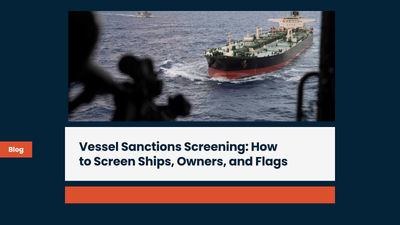
Ships change names, owners and flags to evade screening. Learn how to screen vessels by IMO number, trace ownership chains, and verify flags against fraud.
Read More
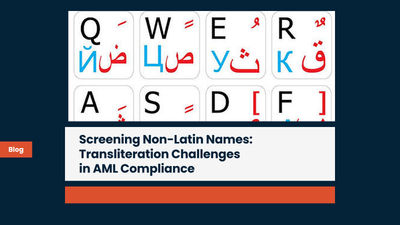
Arabic, Cyrillic, and Chinese names rarely have one correct Latin spelling. Why transliteration breaks name screening, and the matching fixes that catch variants.
Read More
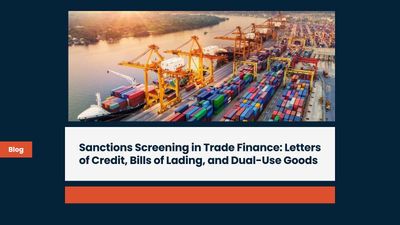
How banks screen parties, vessels, ports and dual-use goods across the letter of credit lifecycle. Red flags, regulatory sources and a workflow checklist
Read More
Comprehensive sanctions block a country. Sectoral sanctions block specific transactions. Understand the difference, the SSI vs SDN split, and screening impact.
Read More
Sanctions evasion in four forms: shell companies, trade obfuscation, the shadow fleet, and crypto. How each hides the sanctioned party and how to screen for it.
Read More
FinCEN registration does not authorize you to operate in a single state. Learn how state money transmitter licensing works, who needs an MTL, what the licensing process really costs in time and capital, and how the MTMA is reshaping a 50-state patchwork.
Read More
State-Owned Enterprises (SOEs) and Politically Exposed Persons (PEP) Screening: Why SOE Links Matter
The CFO of a national oil company is a PEP, even without a political title. Learn why SOE executives qualify as politically exposed persons, how the link hides in ownership layers, and where it collides with OFAC's 50% Rule.
Read More
PEP Screening for Non-Profits: Donor Due Diligence Guide: How charities screen PEP donors, partners and trustees without over-screening beneficiaries. FATF R.8, OFSI rules, source of wealth, and a practical checklist.